
Backpacking through Europe on a budget is not only possible—it can be an incredible way to explore the continent while stretching every dollar. With careful planning, savvy choices, and a sense of adventure, travelers can experience culture, history, food, and landscapes without overspending. A budget of $50 per day may seem tight, but with the right strategies, it’s enough to cover accommodation, food, local transportation, and even some attractions.
This guide explores how to enjoy backpacking Europe under $50 per day, including tips on destinations, accommodations, meals, transport, and activities, making budget travel both fun and manageable.
Choosing Budget-Friendly Destinations
Not all European cities are equally affordable. Some countries and cities are far friendlier to a tight budget than others.
Eastern Europe
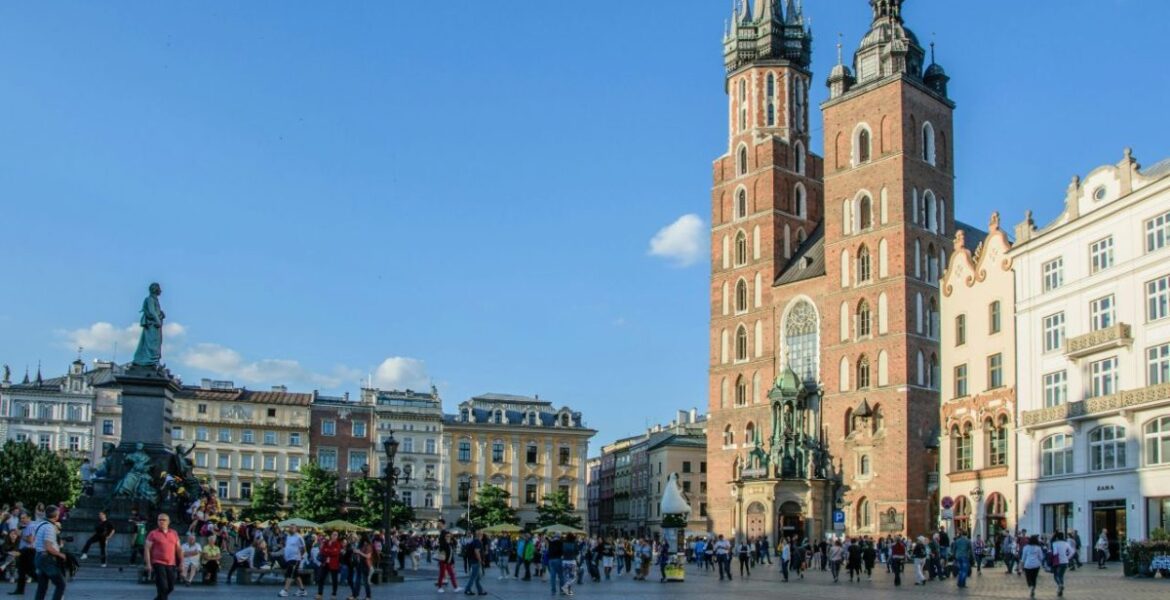
Countries like Poland, Hungary, Romania, and Bulgaria offer historic charm at low prices. Cities such as Krakow, Budapest, and Sofia are famous for cheap hostels, affordable meals, and free or low-cost attractions.
The Balkans
Croatia, Montenegro, and Albania offer stunning coastlines, mountains, and historic towns without the high price tags of Western Europe. Backpacking through Dubrovnik, Kotor, or Tirana can be surprisingly budget-friendly.
Portugal and Spain (Outside Tourist Hotspots)
While Lisbon and Barcelona can be expensive, smaller towns like Porto, Coimbra, Valencia, or Granada provide affordable meals, hostels, and public transport, perfect for stretching a $50 daily budget.
Budget Accommodation Options
Hostels
Hostels are the backbone of budget travel. They offer dorm-style or private rooms, communal kitchens, and opportunities to meet other travelers. Booking in advance often secures the best rates.
Couchsurfing
Couchsurfing connects travelers with locals who offer free accommodation. This option is ideal for saving money and experiencing local culture firsthand.
Budget Hotels and Guesthouses
Small guesthouses or budget hotels often provide private rooms at reasonable prices, especially if booked outside peak season.
Camping
For those carrying lightweight gear, camping in safe areas can cut accommodation costs dramatically. Some European countries even offer free or low-cost campsites.
Eating Well on a Budget
Cook Your Own Meals
Many hostels provide kitchens. Buying groceries from local markets and cooking your own meals is one of the best ways to save money.
Street Food and Cafés
Try local street food, bakeries, or small cafés for affordable meals. Items like sandwiches, pastries, and local snacks are cheap, filling, and tasty.
Set Menus and Lunch Specials
Many restaurants offer discounted set menus or lunch specials, providing full meals for a fraction of the dinner price.
Affordable Transportation
Trains and Buses
Long-distance buses are usually cheaper than trains, while regional trains can also be cost-effective if booked in advance. Companies like FlixBus and Eurolines provide extensive coverage.
Budget Airlines
Low-cost airlines like Ryanair and EasyJet can help cover longer distances quickly and affordably if booked well in advance.
Walking and Biking
Within cities, walking or renting a bike saves money and lets travelers experience more local culture.
Free and Low-Cost Activities
Europe is full of free or inexpensive activities for budget travelers:
-
Walking tours in historic city centers
-
Visiting free museums or parks
-
Hiking or exploring nature reserves
-
Attending local festivals or markets
Budget-conscious travelers can still experience cultural richness without paying high entry fees.
Managing Daily Expenses
To stick to $50 per day:
-
Track spending with a simple budget app
-
Prioritize essentials like accommodation, food, and transportation
-
Limit paid attractions or select only one or two per city
-
Take advantage of free walking tours, parks, and city sights
Consistency in tracking ensures that even long trips stay within budget.
Tips for Safe and Smart Backpacking
-
Carry only essentials to reduce luggage costs
-
Always have travel insurance
-
Keep digital copies of passports and important documents
-
Learn basic local phrases for better communication
-
Stay aware of pickpockets in busy areas
Proper planning ensures safety and smooth travel on a tight budget.
Combining Nature and Adventure
Budget travel doesn’t have to exclude outdoor adventures. Many European destinations offer opportunities to connect with nature inexpensively. Hiking trails, scenic viewpoints, and national parks allow backpackers to enjoy the outdoors without paying a fortune. For example, travelers can incorporate visits to Top National Parks for Wildlife Spotting or hiking trails in Eastern Europe or the Alps for a memorable, low-cost experience.
Final Thoughts
Backpacking Europe under $50 per day requires careful planning, flexibility, and creativity—but it’s entirely achievable. By choosing budget-friendly destinations, affordable accommodation, local meals, and free or low-cost activities, travelers can enjoy an authentic European experience without breaking the bank.
The key is embracing the adventure: meeting locals, exploring nature, and experiencing culture in a way that’s both meaningful and financially sustainable. With the right approach, a budget of $50 per day can lead to some of the most unforgettable memories of your life.