
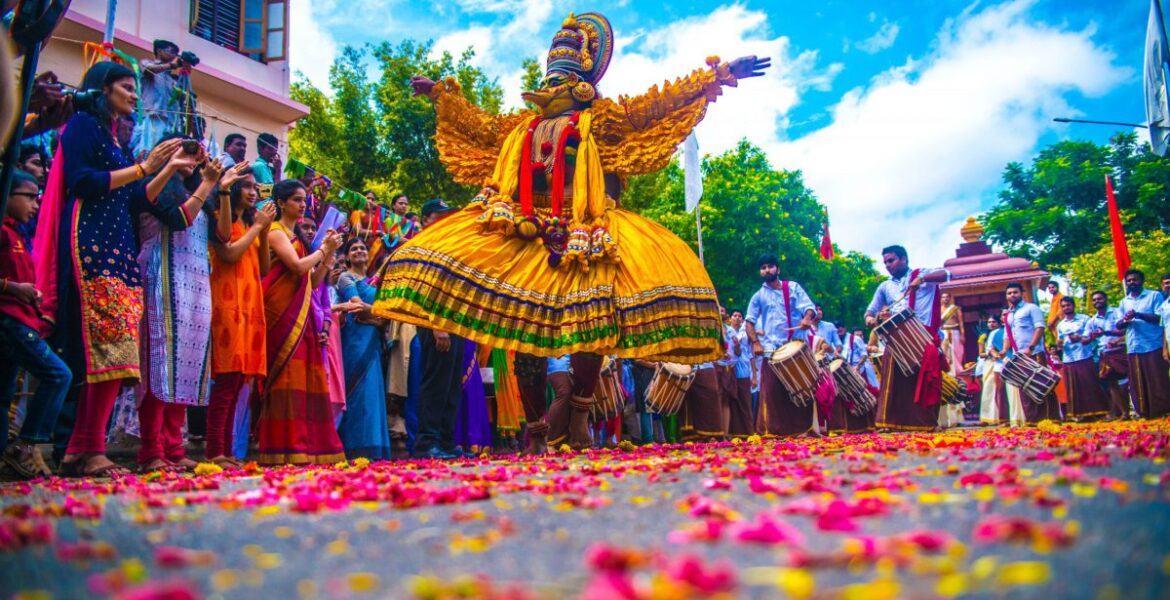
Cultural festivals are windows into the soul of a place. While events like Carnival, Oktoberfest, and Diwali are globally famous, the world is full of lesser-known festivals that are equally rich in history, creativity, and meaning. These offbeat cultural festivals offer travelers a chance to experience authentic traditions, connect with local communities, and see cultures in their most expressive form—often without large crowds.
This article explores unique and offbeat cultural festivals around the world that celebrate heritage, creativity, nature, and community in unexpected ways.
Why Explore Offbeat Cultural Festivals?
Offbeat festivals provide experiences that go beyond typical tourism. They allow travelers to:
-
Discover lesser-known traditions
-
Experience local culture in an authentic setting
-
Avoid overcrowded tourist events
-
Support local communities
-
Gain deeper cultural understanding
For travelers who enjoy meaningful experiences rather than mainstream attractions, these festivals are unforgettable.
Unique Offbeat Cultural Festivals Across the Globe
1. Kanamara Matsuri (Japan)
Often called the Steel Phallus Festival, this Shinto celebration in Kawasaki focuses on fertility, health, and protection from illness. While unusual, it is deeply rooted in tradition and community values, blending spirituality with humor and openness.
2. Boryeong Mud Festival (South Korea)
Originally created to promote local cosmetics, this festival has grown into a massive celebration featuring mud wrestling, mud slides, and body painting. It’s a joyful mix of wellness, fun, and community participation.
3. Pushkar Camel Fair (India)
Held in Rajasthan, this vibrant festival combines a livestock fair with cultural performances, competitions, and religious rituals. Thousands of camels are traded and decorated, creating a spectacle of color and tradition.
4. Up-Helly-Aa (Scotland)
This fire festival in the Shetland Islands celebrates Viking heritage. Locals dress as Vikings and parade through the town before burning a replica longship, honoring ancient Norse traditions in a dramatic winter setting.
5. Thaipusam (Malaysia & India)
Thaipusam is a spiritual Hindu festival marked by devotion, processions, and rituals. It is deeply symbolic and culturally significant, offering insight into faith, discipline, and community bonds.
6. Monkey Buffet Festival (Thailand)
Held in Lopburi, this festival features an enormous fruit feast prepared for local monkeys. It reflects the cultural relationship between humans and wildlife and attracts visitors interested in unusual traditions.
7. Gerewol Festival (Niger)
This rare festival centers on male beauty and courtship among the Wodaabe people. Men dress elaborately, dance, and compete to be chosen by women, showcasing a unique perspective on beauty and tradition.
Offbeat Festivals by Region (Comparison Table)
| Region | Festival | Cultural Focus | Best Time to Visit |
|---|---|---|---|
| Asia | Kanamara Matsuri (Japan) | Spiritual & symbolic | Spring |
| Asia | Boryeong Mud Festival (South Korea) | Wellness & fun | Summer |
| Europe | Up-Helly-Aa (Scotland) | Viking heritage | Winter |
| Africa | Gerewol (Niger) | Courtship & beauty | Autumn |
| South Asia | Pushkar Camel Fair (India) | Trade & tradition | Autumn |
| Southeast Asia | Monkey Buffet Festival (Thailand) | Human–animal culture | Autumn |
How Offbeat Festivals Enhance Travel Experiences
Attending lesser-known festivals often transforms a trip into a cultural exchange rather than a sightseeing tour. Travelers witness real traditions practiced for locals, not tourists. These experiences are often more intimate, emotional, and memorable.
For example, travelers who enjoy exploring unique experiences alongside trips such as Budget-Friendly Beach Destinations in Europe often find that combining cultural festivals with relaxed travel creates a well-rounded and meaningful journey.
Tips for Attending Offbeat Cultural Festivals
-
Research local customs: Some festivals have religious or cultural sensitivities
-
Dress appropriately: Respect traditional attire guidelines
-
Ask before photographing: Especially in spiritual or community-focused events
-
Plan accommodations early: Smaller towns may have limited options
-
Be open-minded: Some traditions may feel unfamiliar but carry deep meaning
Common Mistakes to Avoid
-
Treating festivals as entertainment only, without understanding context
-
Ignoring local rules or etiquette
-
Overcrowding sacred spaces
-
Focusing only on social media photos instead of the experience
Respect and curiosity go a long way when attending cultural events.
FAQs: Offbeat Cultural Festivals Around the World
What makes a festival “offbeat”?
Offbeat festivals are lesser-known events that are deeply cultural but not widely commercialized or tourist-focused.
Are offbeat festivals safe for travelers?
Most are safe, especially when local guidelines are followed. Research and preparation are essential.
Do I need special permissions to attend?
Some festivals are public, while others may require invitations or have restricted areas.
Are these festivals suitable for families?
It depends on the festival. Some are family-friendly, while others are more appropriate for adults.
How can I find offbeat festivals?
Local tourism boards, cultural blogs, and regional travel guides are great resources.
Final Thoughts
Offbeat cultural festivals around the world offer rare opportunities to witness traditions that are deeply meaningful, visually striking, and culturally enriching. From spiritual ceremonies to playful celebrations, these festivals reveal how communities express identity, history, and joy. For travelers seeking authenticity and connection, stepping off the mainstream path and into these unique cultural events can be one of the most rewarding travel experiences of all.