
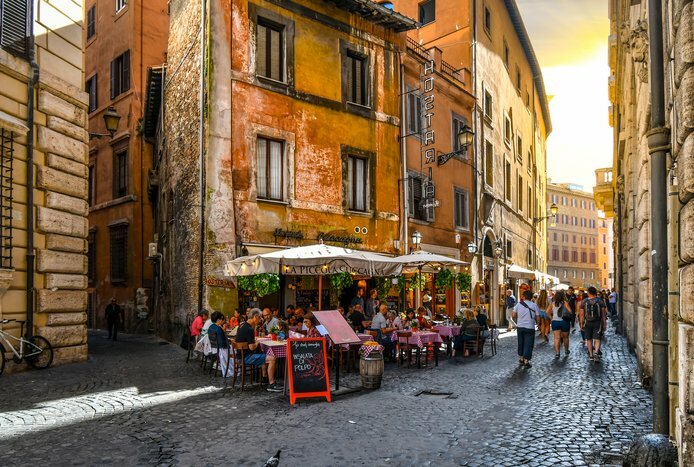
Italy is a country where food is more than nourishment—it’s a celebration of culture, tradition, and passion. From the rolling vineyards of Tuscany to the coastal seafood delicacies of Sicily, culinary travel in Italy immerses visitors in flavors, techniques, and experiences that define Italian life. Exploring Italy through its cuisine allows travelers to connect with local culture while indulging in unforgettable tastes.
This guide explores the top culinary destinations, experiences, and practical tips for planning a food-focused journey through Italy.
Why Culinary Travel in Italy is Unforgettable
Italy’s food culture is rooted in regional traditions, seasonal ingredients, and artisanal craftsmanship. Culinary travel offers:
-
Authentic Flavors: Taste locally prepared dishes that reflect regional history.
-
Cultural Insight: Food tells the story of communities, celebrations, and traditions.
-
Hands-On Learning: Cooking classes and vineyard tours offer practical engagement.
-
Unique Experiences: Markets, trattorias, and family-run eateries provide intimate encounters.
-
Memorable Memories: Food-centered experiences create lasting sensory impressions.
Italy’s diverse regions mean that each stop on a culinary journey offers a unique combination of ingredients, techniques, and traditions.
Top Culinary Destinations in Italy
1. Tuscany
Tuscany is known for its wines, olive oils, and hearty dishes. Cooking classes in Florence or Siena allow travelers to prepare traditional pasta, bruschetta, and regional sauces. Wine tasting in Chianti’s vineyards is a highlight for oenophiles.
2. Emilia-Romagna
Home to Parmesan cheese, prosciutto di Parma, and traditional balsamic vinegar, this region is a paradise for food lovers. Parma, Modena, and Bologna are ideal for tasting tours and artisan workshops.
3. Sicily
Sicily’s cuisine reflects its diverse cultural history, with influences from Arabic, Greek, and Spanish traditions. Seafood, cannoli, arancini, and fresh citrus fruits define Sicilian flavors. Markets in Palermo and Catania offer vibrant culinary experiences.
4. Campania
Naples, the birthplace of pizza, is a must-visit for lovers of classic Italian comfort food. The Amalfi Coast offers limoncello tasting, fresh seafood, and farm-to-table experiences with breathtaking coastal views.
5. Piedmont
Renowned for truffles, chocolate, and fine wines like Barolo, Piedmont is ideal for gourmet travelers. Seasonal truffle hunts and wine tours provide immersive experiences.
Recommended Culinary Experiences
| Experience Type | Location | Highlights | Ideal For |
|---|---|---|---|
| Wine Tasting | Tuscany, Piedmont | Chianti vineyards, Barolo wineries | Wine enthusiasts |
| Cooking Classes | Florence, Bologna | Pasta making, regional sauces | Hands-on learners |
| Market Tours | Palermo, Florence | Fresh produce, cheeses, local specialties | Food explorers |
| Street Food Experience | Naples, Sicily | Pizza, arancini, cannoli | Casual, adventurous eaters |
| Truffle Hunting | Piedmont, Umbria | Seasonal truffle searches and tastings | Gourmet travelers |
These curated experiences allow visitors to engage directly with Italian culinary traditions, offering a blend of education, enjoyment, and cultural immersion.
Tips for Planning a Culinary Trip in Italy
-
Plan by Region: Focus on 1–2 regions to fully explore local cuisine without rushing.
-
Book Experiences in Advance: Popular cooking classes, winery tours, and truffle hunts fill quickly.
-
Try Local Specialties: Ask locals for recommendations rather than relying solely on guidebooks.
-
Balance Dining: Alternate fine dining with street food and casual trattorias for a full spectrum of flavors.
-
Learn Key Phrases: Knowing basic Italian food terms can enhance your experience and communication.
Benefits of Culinary Travel
-
Cultural Connection: Understand local traditions and values through food.
-
Hands-On Learning: Participate in cooking and tasting experiences.
-
Enhanced Appreciation: Gain deeper knowledge of ingredients, techniques, and history.
-
Sensory Enjoyment: Savor aromas, textures, and flavors unique to each region.
-
Memorable Stories: Culinary adventures often become the most vivid travel memories.
Common Mistakes to Avoid
-
Overloading the itinerary—allow time to savor and enjoy meals.
-
Sticking only to tourist restaurants—explore local favorites for authentic experiences.
-
Ignoring seasonal specialties—regional foods vary throughout the year.
-
Not booking experiences ahead—cooking classes and wine tours often sell out.
-
Underestimating the importance of pairing food and wine—ask guides for recommendations.
Frequently Asked Questions (FAQs)
What is the best season for culinary travel in Italy?
Spring and fall are ideal for fresh produce, pleasant weather, and fewer crowds.
Can I take cooking classes if I don’t speak Italian?
Yes, most classes cater to international travelers, often conducted in English.
Are wine tours suitable for beginners?
Absolutely. Tours cater to all experience levels and provide educational tastings.
How long should a culinary trip last?
A week allows a focused regional exploration, while two weeks provide a more diverse experience.
Can I combine culinary experiences with sightseeing?
Yes, most regions offer historical and cultural attractions alongside food experiences, creating a balanced itinerary.
Conclusion
Culinary travel experiences in Italy offer a unique way to explore the country beyond its landmarks and scenery. From hands-on cooking classes and vibrant street food markets to wine tours and truffle hunts, each region presents a different story told through flavor, tradition, and craftsmanship. By planning carefully, booking immersive experiences, and embracing local specialties, travelers can enjoy an unforgettable journey that delights the senses and enriches cultural understanding. Culinary travel in Italy transforms meals into experiences, making every bite a connection to history, landscape, and community.