
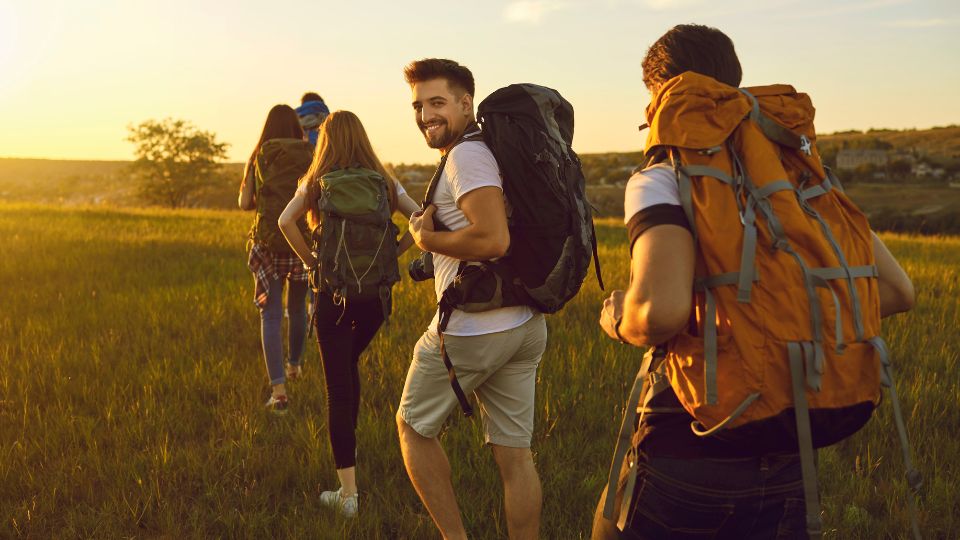
Backpacking through Southeast Asia is a dream for travelers seeking adventure, affordability, cultural depth, and unforgettable landscapes. From tropical beaches and ancient temples to bustling cities and mountain villages, the region offers diverse experiences that suit both first-time backpackers and seasoned explorers. This comprehensive guide will help you plan routes, manage budgets, stay safe, and make the most of your journey across Southeast Asia.
Why Southeast Asia Is Perfect for Backpackers
Southeast Asia remains one of the most backpacker-friendly regions in the world. The cost of living is low, transportation is widely available, and backpacker hostels are easy to find. Countries such as Thailand, Vietnam, Cambodia, Laos, Indonesia, and Malaysia have established travel infrastructures designed to support independent travelers.
Beyond affordability, the region’s cultural diversity is a major attraction. Each country offers unique languages, traditions, cuisines, and landscapes, allowing travelers to experience multiple worlds in a single trip.
Best Countries to Backpack in Southeast Asia
Thailand
Thailand is often the entry point for backpackers. It offers excellent transport networks, stunning islands, street food, and well-developed tourist facilities. Popular routes include Bangkok to Chiang Mai and the southern islands.
Vietnam
Vietnam delivers rich history, dramatic scenery, and affordable travel. From Hanoi’s old quarter to Ha Long Bay and Ho Chi Minh City, backpackers can explore both culture and nature.
Cambodia
Cambodia is known for Angkor Wat, but it also offers quiet islands, friendly locals, and low daily expenses. It is ideal for slow travel and cultural immersion.
Laos
Laos is perfect for travelers seeking a relaxed pace. River journeys, mountain towns like Luang Prabang, and minimal commercialization make it appealing.
Indonesia
Indonesia offers endless diversity, from Bali’s beaches to Java’s volcanoes and Sumatra’s jungles. Inter-island travel requires planning but rewards adventurous backpackers.
Budget Planning for Backpacking Southeast Asia
One of the biggest advantages of backpacking Southeast Asia is affordability. Daily budgets vary depending on travel style, but most backpackers can live comfortably on modest funds.
Typical Daily Costs
| Expense Category | Budget Range (USD per day) |
|---|---|
| Accommodation | $5 – $15 |
| Food | $5 – $10 |
| Transportation | $3 – $8 |
| Activities | $5 – $15 |
| Total Daily Cost | $20 – $45 |
Costs may increase in tourist hotspots or during peak seasons, but budget travelers can still manage expenses with careful planning.
Transportation Tips for Backpackers
Getting around Southeast Asia is relatively easy. Buses, trains, ferries, and budget airlines connect most destinations.
-
Use overnight buses or trains to save accommodation costs
-
Local buses and shared vans are cheaper than taxis
-
Ferries are common for island hopping
-
Scooters are popular but require caution and legal documentation
Travel planning tools, including the Best Travel Apps for Planning Trips, can help manage routes, bookings, and schedules efficiently.
Accommodation Options
Backpackers in Southeast Asia enjoy a wide range of affordable accommodation choices:
-
Hostels with dormitories and private rooms
-
Guesthouses run by local families
-
Budget hotels with basic amenities
-
Homestays in rural areas
Booking in advance is recommended during festivals and peak seasons, while walk-ins work well in quieter regions.
Safety and Health Tips
Southeast Asia is generally safe for backpackers, but precautions are necessary.
-
Keep copies of important documents
-
Avoid displaying valuables
-
Use reputable transport services
-
Drink bottled or filtered water
-
Get recommended vaccinations before traveling
Travel insurance is essential and should cover medical care, theft, and trip interruptions.
Cultural Etiquette and Responsible Travel
Understanding local customs enhances travel experiences and shows respect to host communities.
-
Dress modestly at temples and religious sites
-
Remove shoes when entering homes and temples
-
Learn basic local phrases
-
Support local businesses and markets
-
Avoid activities that harm wildlife or the environment
Responsible travel helps preserve Southeast Asia’s natural beauty and cultural heritage.
Ideal Backpacking Routes
Popular backpacking routes include:
-
Thailand → Cambodia → Vietnam
-
Thailand → Laos → Vietnam
-
Malaysia → Thailand → Indonesia
Routes can be customized based on time, budget, and interests.
Frequently Asked Questions (FAQs)
Is Southeast Asia safe for solo backpackers?
Yes, Southeast Asia is considered safe for solo travelers, including first-time backpackers. Staying aware, avoiding risky situations, and following local advice ensures a safe journey.
How long should I backpack Southeast Asia?
A minimum of one month is ideal to explore multiple countries, but many travelers spend three to six months for a deeper experience.
Do I need visas for Southeast Asia?
Visa requirements vary by nationality and country. Many nations offer visa-free entry or visas on arrival, but it is important to check in advance.
What is the best time to backpack Southeast Asia?
The dry season, typically from November to March, is the most popular time. However, traveling during shoulder seasons can reduce costs and crowds.
Can I backpack Southeast Asia on a tight budget?
Absolutely. With local food, budget accommodation, and public transport, backpacking Southeast Asia is one of the most cost-effective travel experiences available.
Final Thoughts
Backpacking through Southeast Asia offers unmatched value, cultural richness, and adventure. With proper planning, a flexible mindset, and respect for local cultures, travelers can enjoy a life-changing journey across this diverse region. Whether you’re hopping between islands, exploring ancient temples, or sharing meals with locals, Southeast Asia delivers experiences that stay with you long after the trip ends.