
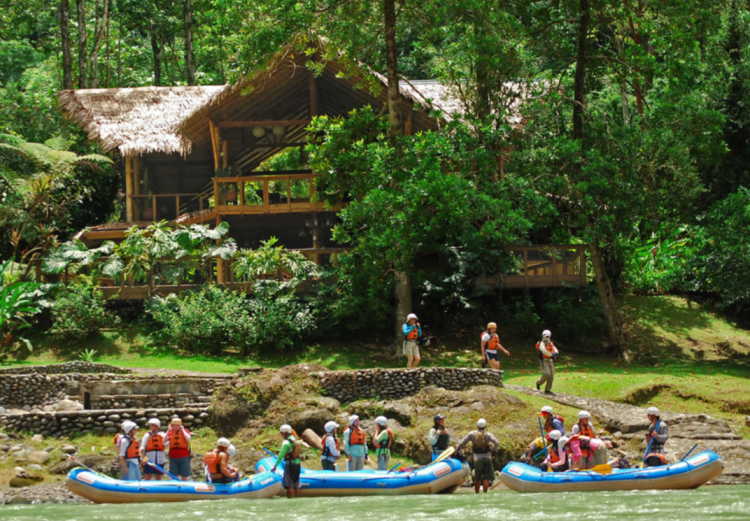
Costa Rica is a global leader in sustainable eco-tourism, offering travelers lush rainforests, pristine beaches, and abundant wildlife while prioritizing environmental preservation. With over 25% of its land protected as national parks or reserves, Costa Rica provides unique opportunities to explore nature responsibly. Eco-tourism here focuses on conservation, local community support, and minimizing environmental impact, making it ideal for travelers seeking meaningful and sustainable adventures.
This guide explores the best sustainable eco-tourism experiences in Costa Rica, tips for traveling responsibly, and why the country has become a model for green travel worldwide.
Why Sustainable Eco-Tourism Matters
Eco-tourism is more than visiting natural sites; it emphasizes responsible travel that supports local ecosystems and communities. Sustainable eco-tourism in Costa Rica helps by:
-
Preserving Biodiversity: Protects endangered species and fragile habitats
-
Supporting Local Communities: Creates jobs and promotes cultural heritage
-
Reducing Environmental Impact: Encourages low-carbon travel and conservation practices
-
Educating Travelers: Provides insights into ecosystems, wildlife, and sustainability
By choosing sustainable options, tourists can enjoy the country’s natural wonders without contributing to environmental degradation.
Top Sustainable Eco-Tourism Experiences in Costa Rica
1. Rainforest Canopy Tours
Costa Rica’s rainforests are among the most biodiverse in the world. Canopy tours allow visitors to glide above the forest floor on zip lines, observing wildlife like monkeys, toucans, and sloths while minimizing disturbance to the habitat below.
Best for: Adventure lovers and wildlife enthusiasts
2. Turtle Conservation Programs
Several coastal communities offer hands-on programs to protect nesting sea turtles. Participants help monitor nests, release hatchlings, and learn about marine conservation efforts.
Best for: Families and volunteers interested in wildlife protection
3. Eco-Lodges and Sustainable Hotels
Costa Rica offers eco-lodges that use renewable energy, sustainable construction, and waste reduction practices. Staying in these accommodations supports local conservation initiatives and minimizes environmental footprints.
Best for: Travelers seeking sustainable comfort
4. Organic Farm Visits
Organic farms allow visitors to learn about sustainable agriculture, sample local produce, and understand how eco-friendly practices contribute to food security and environmental health.
Best for: Food lovers and sustainability advocates
5. Volcano and National Park Exploration
Costa Rica’s volcanoes and protected parks, such as Arenal, Monteverde, and Corcovado, provide opportunities for hiking, birdwatching, and wildlife photography. Guided tours often emphasize eco-conscious practices to minimize impact.
Best for: Nature enthusiasts and photographers
6. Community-Based Tourism
Local communities offer cultural experiences like traditional cooking, craft-making, and village tours. This type of tourism fosters cultural exchange while directly supporting residents economically, much like Cultural Immersion Experiences in Japan provide meaningful connections between travelers and local culture.
Best for: Travelers seeking authentic, community-focused experiences
Comparison Table: Sustainable Eco-Tourism Options in Costa Rica
| Experience | Location | Duration | Best For | Cost Range |
|---|---|---|---|---|
| Rainforest Canopy Tours | Monteverde, Arenal | 2–4 hours | Adventure & wildlife | $$ |
| Turtle Conservation Programs | Tortuguero, Ostional | 2–6 hours | Wildlife & family-friendly | $–$$ |
| Eco-Lodges | Monteverde, Nicoya Peninsula | 1–5 nights | Sustainable comfort | $$–$$$ |
| Organic Farm Visits | Guanacaste, Central Valley | 2–3 hours | Food & sustainability | $ |
| Volcano & National Park Tours | Arenal, Corcovado | Half-day to full-day | Hiking & photography | $$ |
| Community-Based Tourism | Various villages | 1–3 days | Cultural exchange | $–$$ |
Tips for Practicing Sustainable Eco-Tourism in Costa Rica
-
Choose Eco-Friendly Accommodations: Look for certified sustainable hotels and lodges.
-
Support Local Businesses: Buy local products and hire local guides.
-
Minimize Waste: Reduce plastic use and participate in recycling programs.
-
Respect Wildlife: Observe animals from a distance and avoid disturbing natural habitats.
-
Travel Mindfully: Use public transport or shared shuttles when possible to reduce your carbon footprint.
Responsible travel ensures that Costa Rica’s natural beauty remains intact for future generations.
Frequently Asked Questions (FAQs)
When is the best time for eco-tourism in Costa Rica?
The dry season, from December to April, is ideal for exploring parks and outdoor activities. However, the rainy season (May–November) provides lush greenery and fewer crowds.
Are Costa Rica’s eco-lodges expensive?
Prices vary, but many eco-lodges are affordable while maintaining sustainable practices. Budget-conscious travelers can also find hostels and small-scale sustainable accommodations.
Can families participate in eco-tourism activities?
Yes. Activities like turtle conservation, canopy tours, and farm visits are family-friendly and educational.
Do I need a guide for national parks?
While some parks allow self-guided exploration, hiring a certified guide enhances understanding of the ecosystem and ensures safe, responsible travel.
Is it possible to combine eco-tourism with adventure tourism?
Absolutely. Activities like zip-lining, hiking, and kayaking can be part of a sustainable eco-tourism itinerary.
Final Thoughts
Sustainable eco-tourism in Costa Rica offers travelers a way to explore breathtaking landscapes, engage with local communities, and support environmental conservation. From rainforest canopy tours to turtle conservation programs and eco-lodge stays, each experience emphasizes responsible travel and meaningful engagement with nature and culture.
By prioritizing sustainability, travelers can enjoy Costa Rica’s natural wonders while contributing positively to its ecosystems and communities. Similar to Cultural Immersion Experiences in Japan, eco-tourism in Costa Rica provides enriching, hands-on experiences that foster understanding, appreciation, and connection between visitors and the destination.