
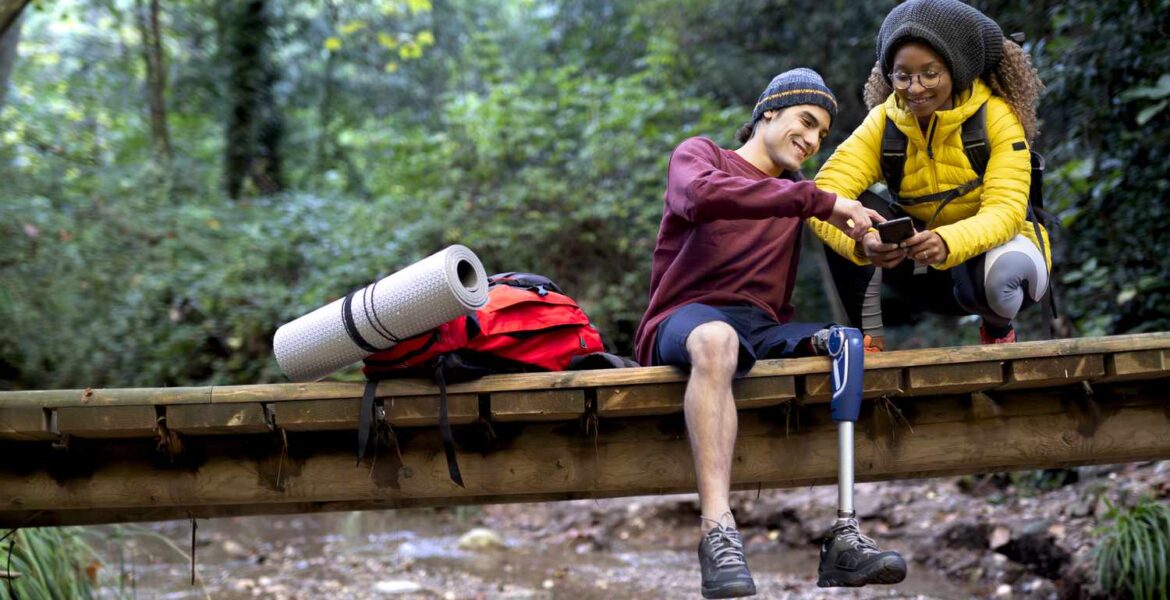
Traveling while in college can be one of the most rewarding experiences, but students often face financial constraints. With proper planning and smart strategies, it’s possible to explore new cities, countries, and cultures without breaking the bank. Budget travel encourages resourcefulness, independence, and adventure—qualities every student benefits from.
This guide provides practical budget travel tips for college students, including money-saving strategies, accommodation ideas, and ways to maximize your experience while minimizing costs.
Why Budget Travel Matters for Students
College is a time of exploration and learning. Budget travel allows students to:
-
Gain exposure to new cultures
-
Learn to manage finances responsibly
-
Create lifelong memories and friendships
-
Practice independence and problem-solving
Smart budget travel can make even international trips achievable for students with limited resources.
Planning Your Trip on a Budget
Set a Realistic Budget
Start by determining how much you can spend overall, then allocate funds for:
-
Transportation
-
Accommodation
-
Food
-
Activities and attractions
-
Emergency funds
Tracking expenses helps prevent overspending while keeping the trip enjoyable.
Travel Off-Peak
Flights, trains, and buses are cheaper outside peak holiday periods. Student travelers can take advantage of low-season discounts and fewer crowds.
Use Student Discounts
Many airlines, museums, hostels, and cultural sites offer student discounts. Always carry a valid student ID or international student card.
Affordable Transportation Options
Public Transportation
Buses, trains, and subways are usually cheaper than taxis or ride-hailing apps. Many cities offer multi-day or unlimited passes for students.
Budget Airlines
Low-cost carriers can save significant money on flights. Be mindful of extra fees for luggage and seat selection.
Carpooling and Rideshares
Apps that connect travelers heading in the same direction are an economical alternative for long-distance travel.
Budget-Friendly Accommodations
Finding affordable lodging is key to a budget-friendly trip. Consider the following:
| Accommodation Type | Average Cost | Pros | Cons |
|---|---|---|---|
| Hostels | $15–$40/night | Social atmosphere, cheap | Shared rooms, less privacy |
| Budget Hotels | $40–$80/night | Private rooms, basic amenities | Limited extras |
| Couchsurfing | Free | Cultural immersion, free stay | Host-dependent, less reliability |
| Airbnb/Short-term Rentals | $30–$70/night | Flexible, home-like | May require cleaning fees |
| University Dorms | $20–$50/night | Convenient, budget | Availability depends on semester |
Money-Saving Tips on Food
Eating out can quickly drain a budget, but students can save money by:
-
Cooking meals if accommodations have a kitchen
-
Opting for street food or local markets
-
Using student meal discounts where available
-
Packing snacks during sightseeing trips
Balancing affordable options with occasional treats makes travel more enjoyable.
Free or Low-Cost Activities
Many cities offer free attractions and activities, which are perfect for students:
-
Walking tours
-
Museums with student discounts or free entry days
-
Parks, gardens, and hiking trails
-
Local festivals and cultural events
-
Scenic viewpoints for photography
Planning ahead ensures you experience the culture without overspending.
Smart Packing Tips
Packing efficiently reduces extra costs like checked luggage fees. Essential packing tips for students include:
-
Carry versatile clothing for multiple weather conditions
-
Bring a refillable water bottle
-
Pack travel-size toiletries
-
Include a portable charger
-
Use a backpack rather than a suitcase for mobility
Packing light also makes public transportation easier to navigate.
Travel Insurance for Students
Travel insurance may seem like an extra expense, but it can save money in emergencies. Many student-focused travel insurance plans are affordable and cover:
-
Medical emergencies
-
Trip cancellations
-
Lost or stolen belongings
Insurance provides peace of mind, especially for international trips.
Combining Budget Travel With Experiences
Budget travel doesn’t mean missing out on experiences. Many affordable destinations provide meaningful cultural or outdoor activities. Students can even plan themed trips, such as exploring historic sites, hiking trails, or scenic locations. Couples or friends planning Romantic Weekend Getaways Near Mountains can adapt these budget strategies for cost-effective and memorable escapes.
Tips for Booking Flights and Travel Deals
-
Use price comparison websites and apps to find the best rates
-
Book flights in advance when possible
-
Set alerts for fare drops
-
Be flexible with travel dates and times
-
Consider alternative airports or travel routes
Even small adjustments can result in significant savings.
Safety Tips for Budget Travel
Traveling on a budget shouldn’t compromise safety. Key precautions include:
-
Researching destinations for safety and health concerns
-
Keeping emergency contacts handy
-
Using secure accommodations
-
Staying aware of surroundings
-
Avoiding risky shortcuts to save money
Safe travel ensures a stress-free and enjoyable experience.
Frequently Asked Questions (FAQs)
How can college students afford international trips?
Students can save by booking early, traveling off-season, using student discounts, and choosing budget accommodations.
Is hosteling safe for students?
Yes, hostels are generally safe and popular among students. Reading reviews and choosing reputable locations is important.
Can budget travel be comfortable?
Absolutely. Budget travel can include comfortable accommodations, reliable transport, and enriching experiences with smart planning.
How do students save money on food while traveling?
Cooking in hostels, visiting local markets, and choosing street food or casual eateries can drastically reduce food costs.
Are student travel cards worth it?
Yes. Cards like ISIC (International Student Identity Card) provide discounts on transport, attractions, and accommodations.
Final Thoughts
Budget travel for college students is not only achievable but also highly rewarding. With careful planning, smart choices in accommodation, transportation, and activities, students can explore new places, gain cultural insight, and create lasting memories—all without overspending.
By embracing budget-conscious strategies, students can turn every trip into an opportunity for adventure, learning, and personal growth, whether they are discovering vibrant cities, scenic landscapes, or adapting tips from Romantic Weekend Getaways Near Mountains to fit their financial limits.