
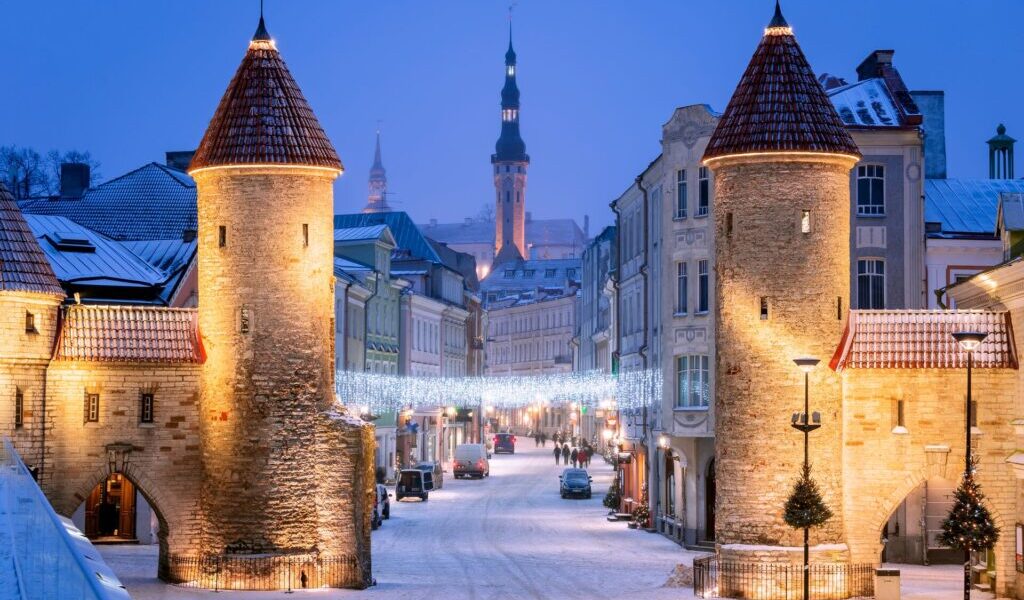
Eastern Europe is a treasure trove of history, culture, and architecture. From medieval castles to ancient monasteries, this region offers travelers a chance to explore stories that have shaped Europe over centuries. While Western Europe often steals the spotlight, Eastern Europe is filled with hidden gems that are perfect for history enthusiasts, photographers, and curious travelers alike.
This guide highlights unique historical places to visit in Eastern Europe, providing tips, must-see landmarks, and insights to make your journey unforgettable.
Why Explore Eastern Europe
Eastern Europe is distinct for its mix of cultures, empires, and architectural styles. The region includes countries such as Poland, Hungary, Czech Republic, Romania, Bulgaria, and the Baltic states. Here’s why it’s a compelling destination for history lovers:
-
Rich medieval and Renaissance architecture
-
Lesser-known UNESCO World Heritage Sites
-
Historic towns with preserved old towns and fortresses
-
A blend of Eastern Orthodox, Catholic, and Islamic influences
Exploring these sites offers not only a glimpse into the past but also an understanding of the complex cultural history of Europe.
Top Historical Places in Eastern Europe
1. Prague, Czech Republic – Old Town & Prague Castle
-
Highlights: Gothic and Baroque architecture, Astronomical Clock, Charles Bridge
-
Why Visit: Prague’s Old Town is one of the best-preserved medieval centers in Europe. The Prague Castle complex showcases centuries of Czech history and offers panoramic views over the city.
2. Krakow, Poland – Wawel Castle & Old Town
-
Highlights: Renaissance architecture, Wawel Cathedral, historic market square
-
Why Visit: Krakow survived much of WWII intact, making it a perfect place to experience medieval and Renaissance Europe. The Wawel Castle is a symbol of Polish heritage and royalty.
3. Tallinn, Estonia – Old Town
-
Highlights: Cobblestone streets, medieval walls, Alexander Nevsky Cathedral
-
Why Visit: Tallinn’s Old Town is a living medieval city with narrow streets, gothic architecture, and charming plazas. It provides a glimpse of Hanseatic trade history.
4. Sibiu, Romania – Historic Center
-
Highlights: Grand Square, Brukenthal Palace, medieval towers
-
Why Visit: Sibiu combines Saxon and Romanian influences. Its well-preserved squares and towers make it a must-visit for medieval history enthusiasts.
5. Budapest, Hungary – Buda Castle & Parliament
-
Highlights: Buda Castle, Fisherman’s Bastion, Hungarian Parliament Building
-
Why Visit: Budapest’s rich history includes medieval fortresses, baroque streets, and the legacy of the Austro-Hungarian Empire.
6. Dubrovnik, Croatia – Old City Walls
-
Highlights: Forts, ancient city walls, Stradun promenade
-
Why Visit: While technically Southeast Europe, Dubrovnik’s historic walls and fortifications are remarkable examples of medieval defense architecture.
7. Veliko Tarnovo, Bulgaria – Tsarevets Fortress
-
Highlights: Medieval fortress, historical museums, panoramic views
-
Why Visit: Once the capital of the Second Bulgarian Empire, Veliko Tarnovo’s hilltop fortress is a dramatic symbol of Bulgarian history.
Travel Tips for Visiting Historical Sites
-
Plan Ahead: Many castles and museums require tickets or timed entry.
-
Hire Local Guides: Knowledgeable guides enhance the historical experience.
-
Visit Off-Peak: Explore sites early in the morning or during weekdays to avoid crowds.
-
Respect Local Customs: Many historical sites are also religious or cultural landmarks.
-
Combine Food and History: Enjoy local cuisine near historical sites for a complete cultural experience.
For travelers planning multi-country trips, guides such as Vegan-Friendly Travel Guides for Italy can inspire similar itineraries, showing how specialized travel guides enhance experiences by combining cultural exploration with dietary or lifestyle preferences.
Comparison Table: Must-Visit Historical Places
| Location | Highlights | Best Time to Visit | Unique Feature |
|---|---|---|---|
| Prague, Czech Republic | Old Town, Prague Castle | Spring & Fall | Astronomical Clock & Gothic architecture |
| Krakow, Poland | Wawel Castle, Market Square | Summer | Medieval streets & Renaissance art |
| Tallinn, Estonia | Old Town, Alexander Nevsky Cathedral | Summer | Hanseatic history & cobblestone streets |
| Sibiu, Romania | Grand Square, Brukenthal Palace | Spring | Saxon-Romanian medieval architecture |
| Budapest, Hungary | Buda Castle, Parliament | Spring & Fall | Austro-Hungarian Empire landmarks |
| Dubrovnik, Croatia | Old City Walls, Forts | Summer | UNESCO-listed coastal fortress |
| Veliko Tarnovo, Bulgaria | Tsarevets Fortress | Spring | Hilltop fortress & panoramic views |
FAQs: Unique Historical Places in Eastern Europe
Q: Which country has the most medieval castles in Eastern Europe?
Poland and the Czech Republic are particularly rich in medieval castles.
Q: Are historical sites accessible for all travelers?
Many sites are accessible, but some hilltop fortresses may require moderate walking.
Q: Can I combine historical sightseeing with culinary experiences?
Absolutely. Many historical cities have vibrant food markets and local restaurants near landmarks.
Q: What is the best time to visit Eastern Europe?
Spring and fall offer pleasant weather and fewer tourists compared to peak summer.
Q: Are guided tours worth it?
Yes, local guides provide historical context and hidden stories that self-guided tours may miss.
Final Thoughts
Eastern Europe is a fascinating destination for travelers seeking unique historical experiences. From medieval castles and fortified cities to centuries-old squares and palaces, the region is full of stories waiting to be discovered. By planning carefully, respecting local customs, and exploring both major cities and smaller towns, you can experience the rich history of Eastern Europe in a meaningful and memorable way.