
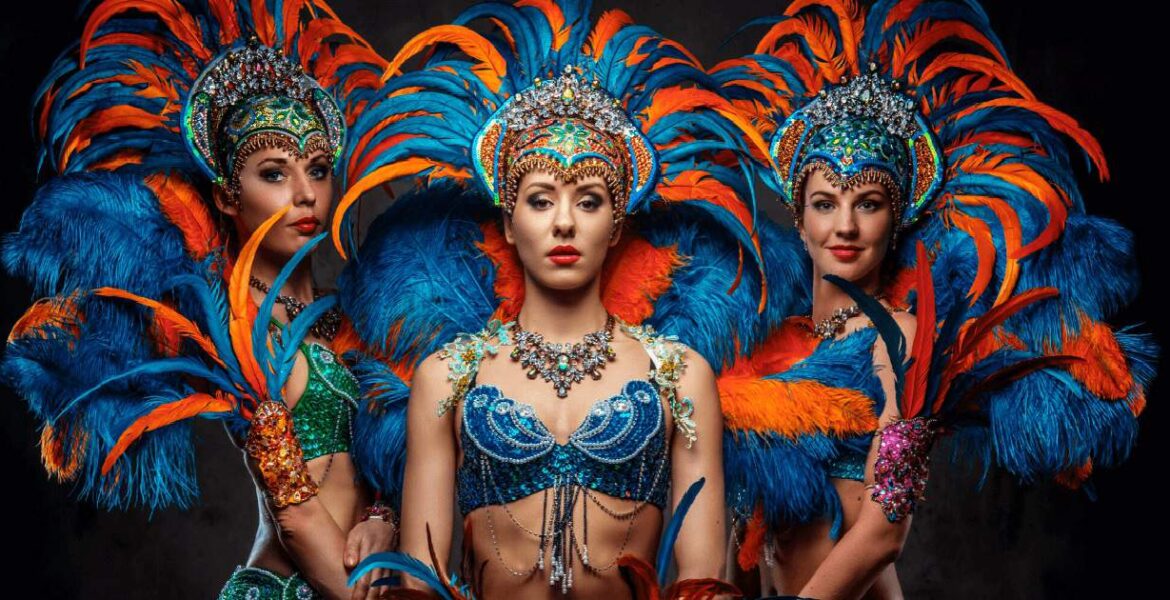
Traveling is not just about visiting new places; it is about experiencing the traditions, history, and spirit of a destination. Cultural festivals offer a powerful way to connect with local communities, witness ancient customs, and celebrate human creativity. Across the globe, unique festivals bring together music, dance, food, rituals, and storytelling that reflect the identity of a region.
This article explores some of the most unique cultural festivals around the world that offer unforgettable travel experiences and deeper cultural understanding.
Why Cultural Festivals Are Worth Traveling For
Cultural festivals provide more than entertainment. They allow travelers to:
-
Experience authentic local traditions
-
Learn about history and beliefs through rituals
-
Engage with communities in meaningful ways
-
Enjoy traditional food, music, and art
-
Create lasting memories beyond sightseeing
Festivals often represent the heart of a culture, making them ideal travel experiences for curious and respectful travelers.
Unique Cultural Festivals Around the World
1. Holi – India
Holi, known as the Festival of Colors, is celebrated across India and symbolizes the victory of good over evil and the arrival of spring.
What makes it unique:
-
People throw colored powders and water
-
Streets turn into vibrant celebrations
-
Music, dance, and sweets fill the air
Holi encourages unity, forgiveness, and joy, welcoming locals and visitors alike.
2. Day of the Dead – Mexico
The Day of the Dead is a deeply meaningful festival honoring deceased loved ones. Rather than mourning, it celebrates life and remembrance.
Key highlights:
-
Colorful altars decorated with flowers and photos
-
Traditional face paint and parades
-
Symbolic foods such as sugar skulls
This festival offers a beautiful insight into Mexican views on life and death.
3. Carnival – Brazil
Brazil’s Carnival is one of the most famous festivals in the world, blending African, Indigenous, and European influences.
Why it stands out:
-
Elaborate costumes and samba parades
-
Street parties lasting several days
-
High-energy music and dance
Carnival showcases Brazil’s passion, creativity, and love for celebration.
4. Yi Peng Lantern Festival – Thailand
Yi Peng is celebrated in northern Thailand, particularly in Chiang Mai. Thousands of lanterns are released into the night sky.
Unique features:
-
Lanterns symbolize letting go of negativity
-
Peaceful and spiritual atmosphere
-
Stunning visual experience
It is one of the most photogenic and emotionally moving festivals in the world.
5. Naadam Festival – Mongolia
Naadam celebrates Mongolia’s nomadic heritage and features three traditional sports: wrestling, horse racing, and archery.
What makes it special:
-
Ancient traditions dating back centuries
-
Colorful traditional clothing
-
Strong connection to national identity
This festival offers a rare glimpse into Mongolia’s cultural roots.
6. Up Helly Aa – Scotland
Up Helly Aa is a fire festival held in the Shetland Islands, celebrating Viking heritage.
Highlights include:
-
Torch-lit processions
-
A replica Viking ship burned ceremonially
-
Traditional songs and costumes
It reflects Scotland’s Norse history in a dramatic and unforgettable way.
7. Inti Raymi – Peru
Inti Raymi is an ancient Incan festival honoring the Sun God, celebrated in Cusco.
Why it’s culturally significant:
-
Historical reenactments of Incan rituals
-
Traditional music and attire
-
Strong connection to indigenous heritage
It is one of South America’s most important cultural celebrations.
8. Gion Matsuri – Japan
Held in Kyoto, Gion Matsuri is one of Japan’s oldest festivals, dating back over a thousand years.
What makes it unique:
-
Massive wooden floats pulled through the streets
-
Traditional clothing and performances
-
Deep spiritual and historical meaning
The festival reflects Japan’s respect for tradition and craftsmanship.
Cultural Festivals vs Luxury Travel
While many travelers seek comfort-focused journeys such as Luxury Travel Experiences for Couples in the Maldives, cultural festivals offer a different type of richness. They provide emotional connection, shared celebration, and authentic storytelling that luxury alone cannot replicate. Both forms of travel have value, but festivals create unforgettable cultural immersion.
Tips for Attending Cultural Festivals Respectfully
-
Research the cultural significance beforehand
-
Dress appropriately according to local customs
-
Ask permission before taking photos
-
Participate respectfully, not disruptively
-
Support local vendors and artisans
Responsible travel enhances both your experience and the host community’s well-being.
Best Time to Plan Festival Travel
Many cultural festivals are tied to lunar calendars, harvest seasons, or religious events. Planning in advance is essential because:
-
Accommodations sell out quickly
-
Transportation becomes limited
-
Entry to certain events may require permits
Booking early ensures a smoother and more enjoyable trip.
Frequently Asked Questions (FAQs)
Are cultural festivals suitable for first-time travelers?
Yes. Many festivals are welcoming and offer guided experiences, making them suitable for beginners.
Can tourists participate in cultural festivals?
In most cases, respectful participation is encouraged, though some rituals may be reserved for locals.
Are cultural festivals family-friendly?
Many are, but it’s important to research crowd size, noise levels, and event schedules.
Do festivals increase travel costs?
Yes, prices may rise during festival seasons, but the experience often justifies the cost.
How can I avoid overcrowded festival areas?
Visit less commercialized festivals or attend events in smaller towns and regions.
Final Thoughts
Unique cultural festivals around the world offer travelers a chance to experience the true soul of a destination. From vibrant street celebrations to spiritual rituals passed down through generations, these festivals tell stories that guidebooks cannot fully capture.