
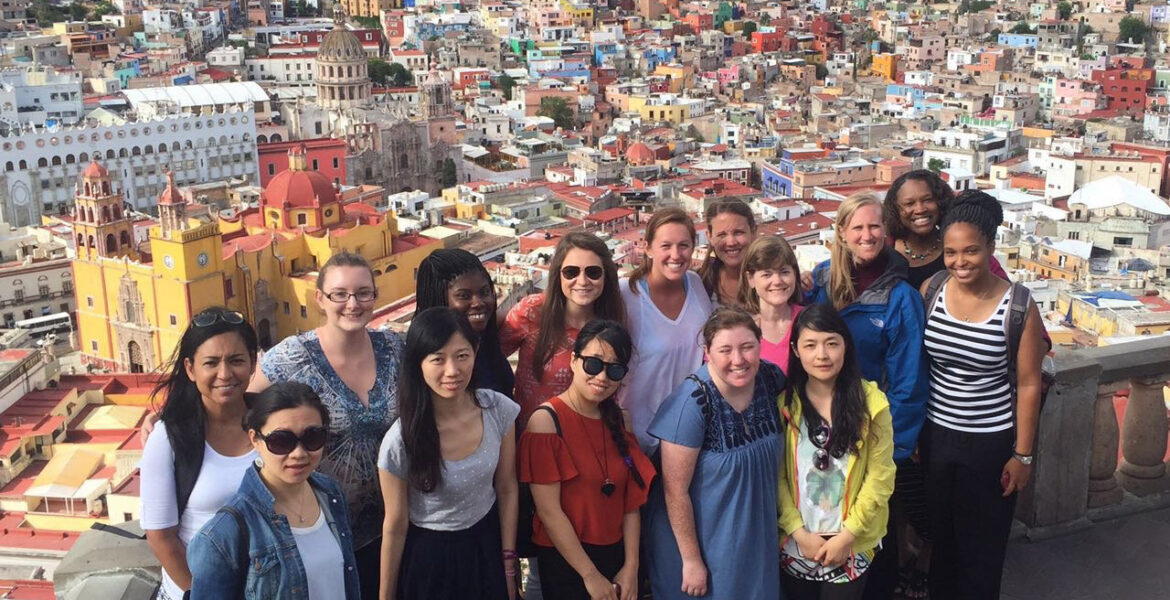
Cultural immersion travel programs provide students with the opportunity to learn about new societies, languages, and traditions firsthand. These programs go beyond sightseeing, allowing participants to engage deeply with local communities through homestays, volunteer work, internships, and workshops. For students seeking global awareness and personal growth, cultural immersion programs are invaluable experiences.
This guide explores the benefits of cultural immersion, popular program types, and tips for students to make the most of their experience.
Why Cultural Immersion Matters
Cultural immersion travel programs help students:
-
Develop Global Perspective: Understand different worldviews and cultural practices.
-
Learn Languages Naturally: Engage in conversation with locals to practice language skills.
-
Enhance Academic and Career Opportunities: Gain experience that strengthens resumes and college applications.
-
Build Independence and Confidence: Navigate new environments and adapt to different customs.
-
Foster Social Responsibility: Participate in community service projects that positively impact host communities.
These programs provide life-changing experiences that go beyond traditional classroom learning.
Types of Cultural Immersion Travel Programs
Here’s a table highlighting popular program types for students:
| Program Type | Description | Ideal For | Typical Duration |
|---|---|---|---|
| Homestays | Students live with a local family, participating in daily life and cultural traditions | Language learners, first-time travelers | 2–12 weeks |
| Volunteer Programs | Engage in community projects such as education, environmental conservation, or healthcare | Socially conscious students | 1–12 weeks |
| Internships & Work Experience | Professional or academic placements in local businesses or organizations | College students, career-oriented individuals | 4–12 weeks |
| Study Abroad | Academic programs that include cultural activities and local engagement | High school and college students | Semester or year-long |
| Language Immersion Camps | Intensive language learning combined with cultural activities | Language learners of all levels | 2–8 weeks |
Each program type offers unique benefits, allowing students to choose experiences that align with their goals and interests.
Tips for Students Participating in Cultural Immersion
-
Research Thoroughly: Understand the program’s objectives, host community, and cultural norms.
-
Prepare Academically: Learn basic language skills or study relevant cultural topics beforehand.
-
Embrace Flexibility: Be ready to adapt to new customs, schedules, and living arrangements.
-
Engage Respectfully: Show interest in local traditions and participate actively.
-
Document the Experience: Keep journals, photos, or blogs to reflect on learning and growth.
Following these tips ensures that students gain the most from their cultural immersion experience.
Benefits Beyond Education
Cultural immersion programs also promote personal development and social awareness. Students learn empathy, communication skills, and problem-solving while experiencing the day-to-day life of a different culture. These programs can also complement other types of travel. For example, families or students traveling for leisure may combine academic immersion with destinations known for outdoor engagement, similar to Pet-Friendly Travel Destinations with Outdoor Activities, where cultural experiences meet nature and adventure.
FAQs About Cultural Immersion Programs
Q1: What age is ideal for cultural immersion programs?
Most programs target high school and college students, but some offer experiences for younger children or adult learners.
Q2: How can students find reputable programs?
Look for programs affiliated with universities, recognized NGOs, or organizations with verified reviews and safety protocols.
Q3: Are cultural immersion programs safe?
Yes, but safety depends on the organization and host community. Always follow guidelines, emergency procedures, and local advice.
Q4: How much do these programs cost?
Costs vary widely, from a few hundred dollars for short-term programs to several thousand for semester-long placements. Scholarships and financial aid may be available.
Q5: Do students need to know the language beforehand?
Basic language skills are helpful but not always required. Programs often provide support for beginners.
Final Thoughts
Cultural immersion travel programs for students offer transformative experiences that blend education, adventure, and personal growth. By engaging directly with local communities, students gain practical skills, global awareness, and lifelong memories.
Whether living with a host family, volunteering in community projects, or participating in language immersion camps, these programs provide unparalleled opportunities for learning and cultural appreciation. Just as Pet-Friendly Travel Destinations with Outdoor Activities combine engagement and exploration for families, cultural immersion programs offer students the chance to explore, learn, and grow in meaningful ways.