
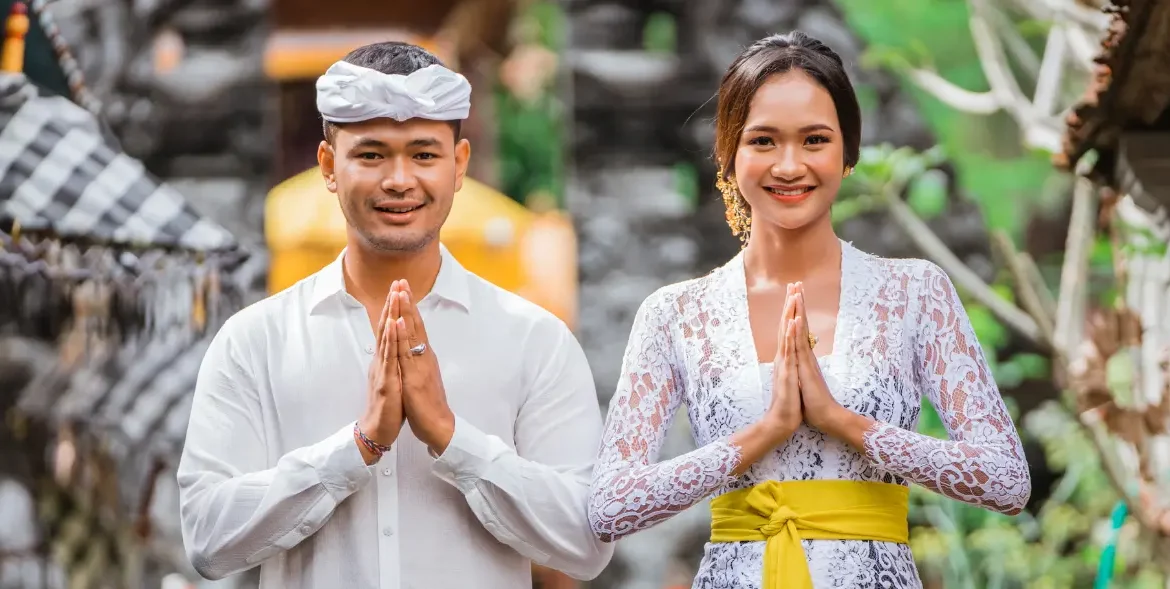
Traveling across Asia offers a rich tapestry of cultures, traditions, and social norms. From bowing in Japan to removing shoes before entering homes in Thailand, understanding local etiquette is essential for showing respect and avoiding misunderstandings. For travelers seeking meaningful experiences, cultural awareness enhances interactions, builds trust with locals, and makes journeys more enjoyable.
This guide highlights essential etiquette tips for travelers in Asia and provides practical advice for navigating cultural differences with sensitivity.
Key Cultural Etiquette Tips Across Asia
1. Respect Religious Practices
Asia is home to diverse religions including Buddhism, Hinduism, Islam, and Shintoism. Always observe local customs in temples, mosques, and shrines:
-
Remove shoes before entering religious sites.
-
Dress modestly, covering shoulders and knees.
-
Avoid loud behavior or public displays of affection in sacred spaces.
2. Greetings and Gestures
-
Japan: Bowing is customary; a handshake is less common.
-
Thailand: The “wai” (palms together in a slight bow) is a respectful greeting.
-
India: “Namaste” with palms together is appropriate in many contexts.
-
Avoid pointing with your feet or touching someone’s head, as these are considered disrespectful in several cultures.
3. Dining Etiquette
-
Use right hand for eating in countries like India, Indonesia, and Thailand.
-
Avoid sticking chopsticks upright in bowls of rice, as this resembles funeral rituals in China and Japan.
-
Wait to be seated or served, as proper order and hierarchy are important in many cultures.
4. Tipping and Money Matters
-
Tipping practices vary: some countries like Japan view tipping as unnecessary or even rude, while in others like India and the Philippines, it’s appreciated.
-
Use both hands when giving or receiving money in countries like Thailand and Indonesia.
5. Dress Appropriately
-
Many Asian countries value modesty. Lightweight, loose clothing that covers shoulders and knees is ideal.
-
Swimwear is acceptable only at beaches or pools, not in public areas.
6. Respect Personal Space and Social Hierarchy
-
Elders are highly respected; always give way or defer to them in conversations and public spaces.
-
Avoid aggressive gestures, loud arguments, or interrupting conversations.
Table: Common Etiquette Practices in Popular Asian Countries
| Country | Key Etiquette Tip | Notes |
|---|---|---|
| Japan | Bow when greeting | Handshakes less common, show respect in temples |
| Thailand | Wai greeting, remove shoes indoors | Avoid touching the head, modest clothing |
| India | Use right hand for eating, Namaste greeting | Cover shoulders and knees, respect elders |
| China | Avoid pointing with feet, modest table manners | Use both hands to give/receive gifts |
| Indonesia | Modest dress, remove shoes indoors | Avoid public displays of affection |
Practical Travel Tips
-
Research local customs: Study etiquette before traveling to avoid mistakes.
-
Observe locals: Pay attention to how residents greet, eat, and interact.
-
Ask politely: When unsure, politely ask locals about acceptable behavior.
-
Adapt your behavior: Flexibility and respect go a long way in earning goodwill.
-
Pack cultural-appropriate items: For instance, scarves, long pants, or lightweight long-sleeve shirts. Combining this with a well-prepared Digital Nomad Travel Essentials and Packing List ensures both comfort and respect in diverse settings.
FAQs
1. How important is cultural etiquette in Asia?
Cultural etiquette is extremely important, as showing respect for local customs can greatly enhance travel experiences and prevent misunderstandings.
2. Do all Asian countries have similar etiquette rules?
No, practices vary widely. For example, bowing is common in Japan, while hand gestures and greetings differ across Southeast Asia and South Asia.
3. What should I wear when visiting religious sites?
Modest clothing covering shoulders and knees is recommended. Always check site-specific rules.
4. Are public displays of affection acceptable?
Generally, PDA is discouraged in many Asian countries, particularly in conservative regions.
5. How can I respectfully interact with elders?
Address them politely, avoid interrupting, and follow local norms of deference and seating arrangements.
Final Thoughts
Traveling in Asia is a rewarding experience, but it requires awareness and sensitivity to local customs. By respecting religious practices, observing greetings, dressing modestly, and practicing polite dining and social behaviors, travelers can create positive interactions and meaningful connections. Combining these cultural etiquette tips with proper planning, such as consulting a Digital Nomad Travel Essentials and Packing List, ensures you’re well-prepared for both work and exploration while traveling responsibly across Asia.