
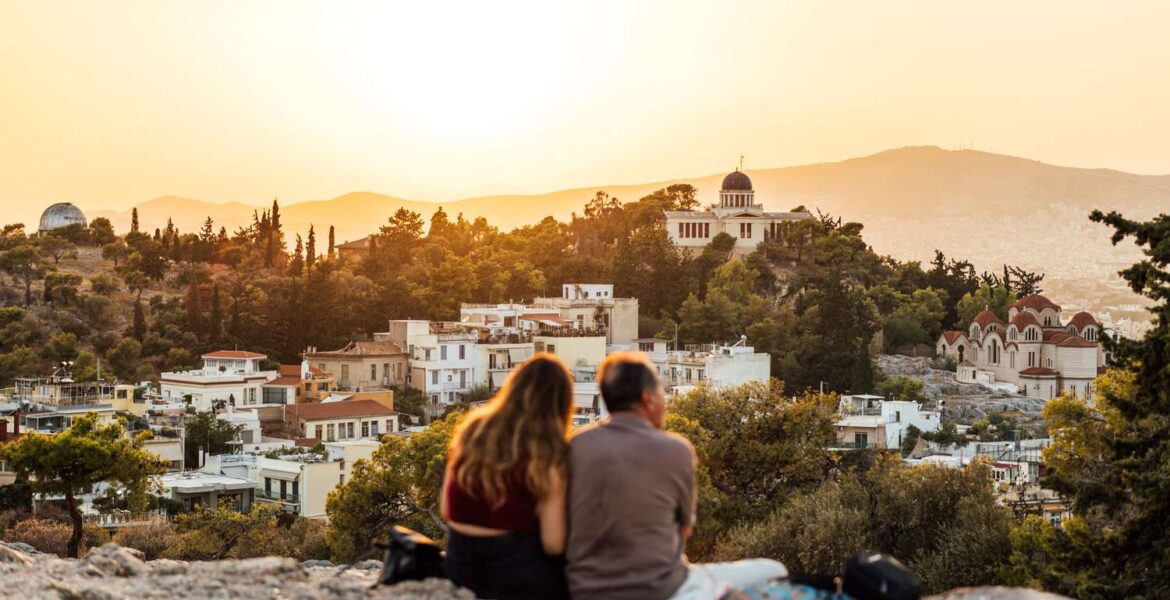
Remote work has opened up a world of possibilities for professionals seeking flexibility and adventure. Instead of rushing through popular tourist spots, slow travel focuses on immersing yourself in local culture, enjoying the environment at a relaxed pace, and truly connecting with the community. For remote workers, this approach not only reduces stress but also enhances productivity, creativity, and personal satisfaction.
This guide highlights some of the best slow travel destinations around the world, ideal for digital nomads and remote workers seeking balance, culture, and inspiration.
What Makes a Destination Ideal for Slow Travel?
When choosing a slow travel destination as a remote worker, consider:
-
Affordability – Cost of living should allow longer stays without financial strain.
-
Reliable internet – Stable connectivity is essential for remote work.
-
Community – Presence of other remote workers or expat-friendly environments helps with networking.
-
Safety – Low crime rates and political stability make for stress-free stays.
-
Cultural and natural experiences – Opportunities for local cuisine, arts, and outdoor activities enrich the experience.
Slow travel emphasizes quality of experience over quantity of destinations, making it ideal for extended stays and personal growth.
Top Slow Travel Destinations for Remote Workers
1. Chiang Mai, Thailand
-
Why it’s ideal: Affordable cost of living, vibrant digital nomad community, excellent coworking spaces.
-
Lifestyle perks: Local markets, temples, and outdoor adventures like hiking and cycling.
-
Connectivity: High-speed internet widely available.
2. Medellín, Colombia
-
Why it’s ideal: Pleasant climate year-round, thriving coworking scene, and diverse cultural activities.
-
Lifestyle perks: Coffee culture, art galleries, and a blend of urban and nature experiences.
-
Connectivity: Reliable internet and growing remote work infrastructure.
3. Lisbon, Portugal
-
Why it’s ideal: Beautiful coastal city with rich history, affordable for European standards, and safe neighborhoods.
-
Lifestyle perks: Surfing, historic districts, local cuisine, and vibrant arts scene.
-
Connectivity: Fast internet and coworking spaces abound.
4. Ubud, Bali, Indonesia
-
Why it’s ideal: Serene environment, wellness-focused community, and scenic surroundings.
-
Lifestyle perks: Yoga retreats, rice terraces, cultural workshops, and creative hubs.
-
Connectivity: Most cafes and coworking spaces offer high-speed internet.
5. Porto, Portugal
-
Why it’s ideal: Charming riverside city, slower pace than Lisbon, and affordable for long stays.
-
Lifestyle perks: Wine culture, historic architecture, and cozy cafes perfect for remote work.
-
Connectivity: Reliable internet with many coworking options.
Table: Slow Travel Destinations for Remote Workers
| Destination | Cost of Living | Internet Quality | Community & Networking | Highlights |
|---|---|---|---|---|
| Chiang Mai, Thailand | Low | High | Strong digital nomad scene | Temples, markets, hiking |
| Medellín, Colombia | Medium | High | Growing coworking community | Coffee culture, urban art |
| Lisbon, Portugal | Medium | High | Expats and nomads | Surfing, historic sites |
| Ubud, Bali | Low-Medium | High | Wellness and creative community | Yoga, cultural workshops |
| Porto, Portugal | Medium | High | Small but friendly nomad network | Wine, riverside charm |
Tips for Enjoying Slow Travel as a Remote Worker
-
Choose a home base wisely: Stay in one place for weeks or months instead of moving constantly.
-
Blend work and leisure: Plan a schedule that allows exploration without compromising productivity.
-
Engage with locals: Take language classes, join community events, and participate in cultural experiences.
-
Stay safe: While these destinations are generally safe, following basic precautions is essential. Refer to Safety Tips for Solo Female Travelers Abroad for guidance if traveling alone.
-
Prioritize wellness: Incorporate exercise, mindfulness, and social connections into your routine to avoid burnout.
FAQs
1. What is “slow travel” exactly?
Slow travel emphasizes quality over quantity. It involves staying longer in one location, immersing yourself in local culture, and prioritizing experiences over sightseeing checklists.
2. Are these destinations affordable for remote workers?
Yes, cities like Chiang Mai, Ubud, and Porto offer affordable living costs, while Lisbon and Medellín provide a balance of comfort and value.
3. How important is internet speed for slow travel?
Very important. Reliable, high-speed internet ensures you can work efficiently while enjoying long-term stays in any destination.
4. Can solo travelers practice slow travel safely?
Absolutely. Following general safety practices, researching neighborhoods, and connecting with local communities make slow travel feasible and enjoyable.
5. How long should one stay in a slow travel destination?
Typically, a few weeks to several months. The longer stay allows full immersion, stronger community connections, and a more relaxed pace.
Final Thoughts
Slow travel offers remote workers the perfect balance of productivity and leisure. By choosing destinations with affordable living, strong internet, vibrant communities, and cultural richness, you can transform work-from-anywhere into a deeply fulfilling lifestyle. Incorporating local engagement, wellness routines, and mindful exploration ensures that every stay is not just about work but about meaningful experiences and personal growth.